Ferritin in Serum

The most sensitive marker of iron storage and also an indicator of inflammation.
Also known as:
S-ferritin
.
Do not confuse with serum Iron (Fe).
Video explainer of this page

Ferritin ranges for

Interpret your result
"Normal" lab range for Ferritin is between 22 and 500 µg/L for males:
22
500
According to Peter Attia, Ferritin should be between 30 and 400 µg/L:
30
400
According to OptimalDX, Ferritin should be between 45 and 79 µg/L:
45
79
According to American Gastroenterological Association, Ferritin should be above 45 µg/L:
45
Symptomatic hemochromatosis was associated with Ferritin above 500 µg/L:
500
Unexplained fatigue and weakness was associated with Ferritin below 50 µg/L:
50
Hair loss was associated with Ferritin below 40 µg/L:
40
70
Restless Legs Syndrome was associated with Ferritin below 75 µg/L:
75
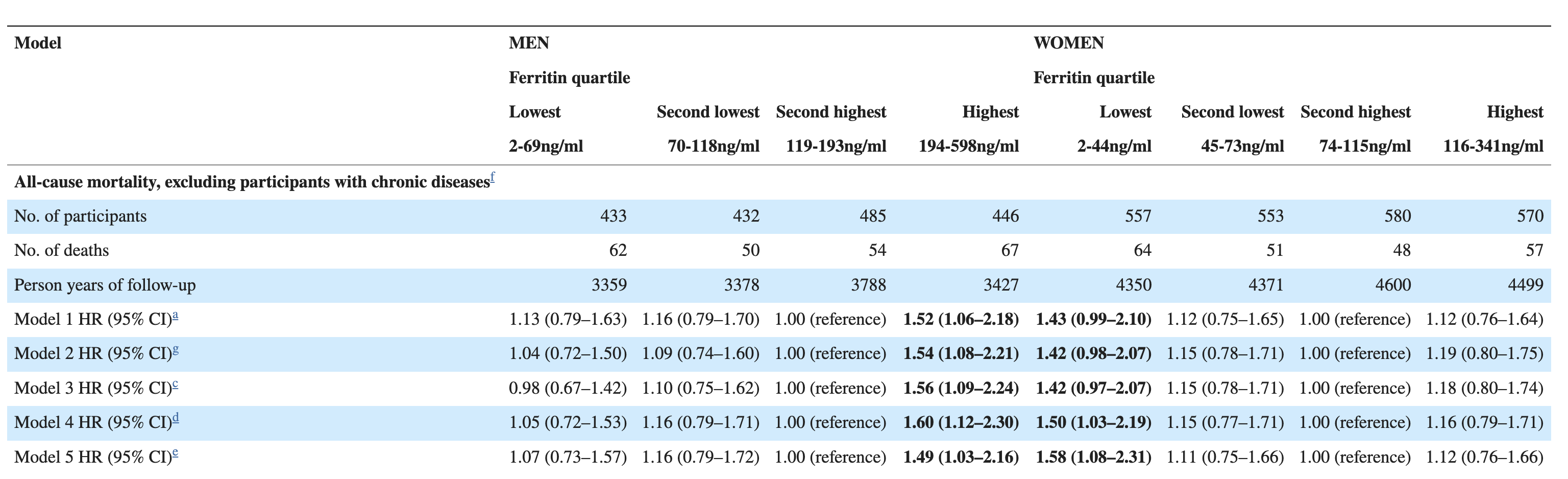
Increased all cause mortality was associated with Ferritin above 194 µg/L in males:
194
Optimal range
Optimal range for Ferritin appears to be between 60 and 110 µg/L:
0
40
60
110
200
600
Why this optimal range?

Both observational and interventional data suggest that ferritin levels below 60 µg/L may be associated with symptoms.

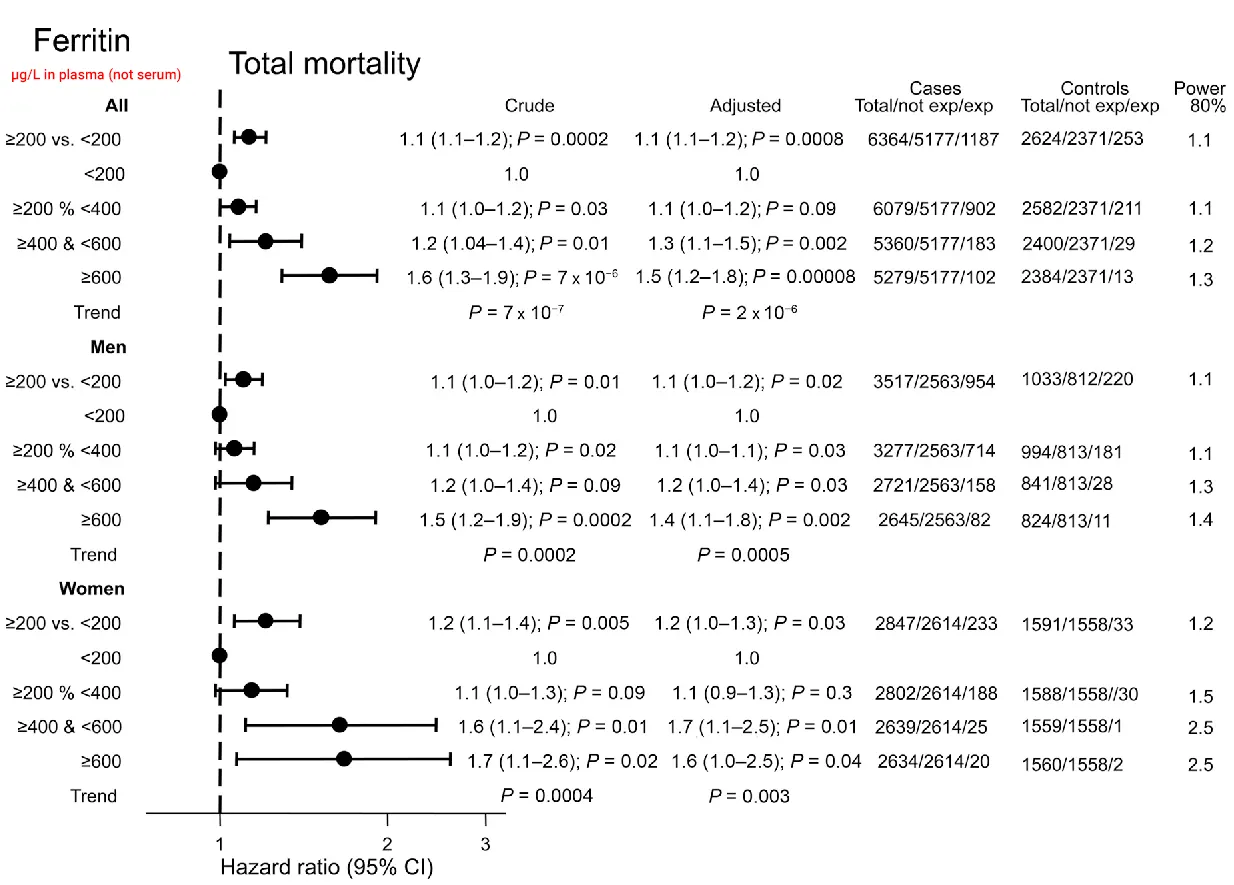
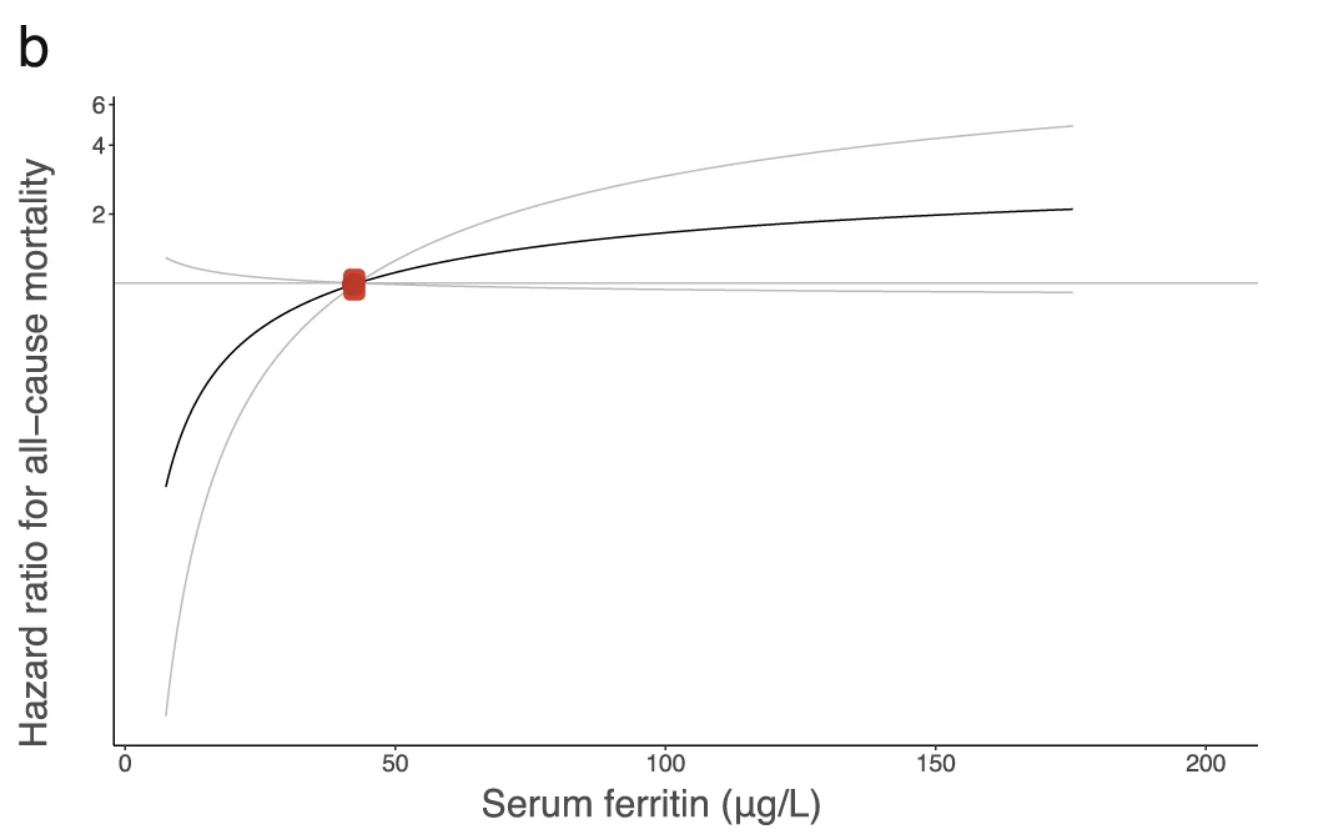
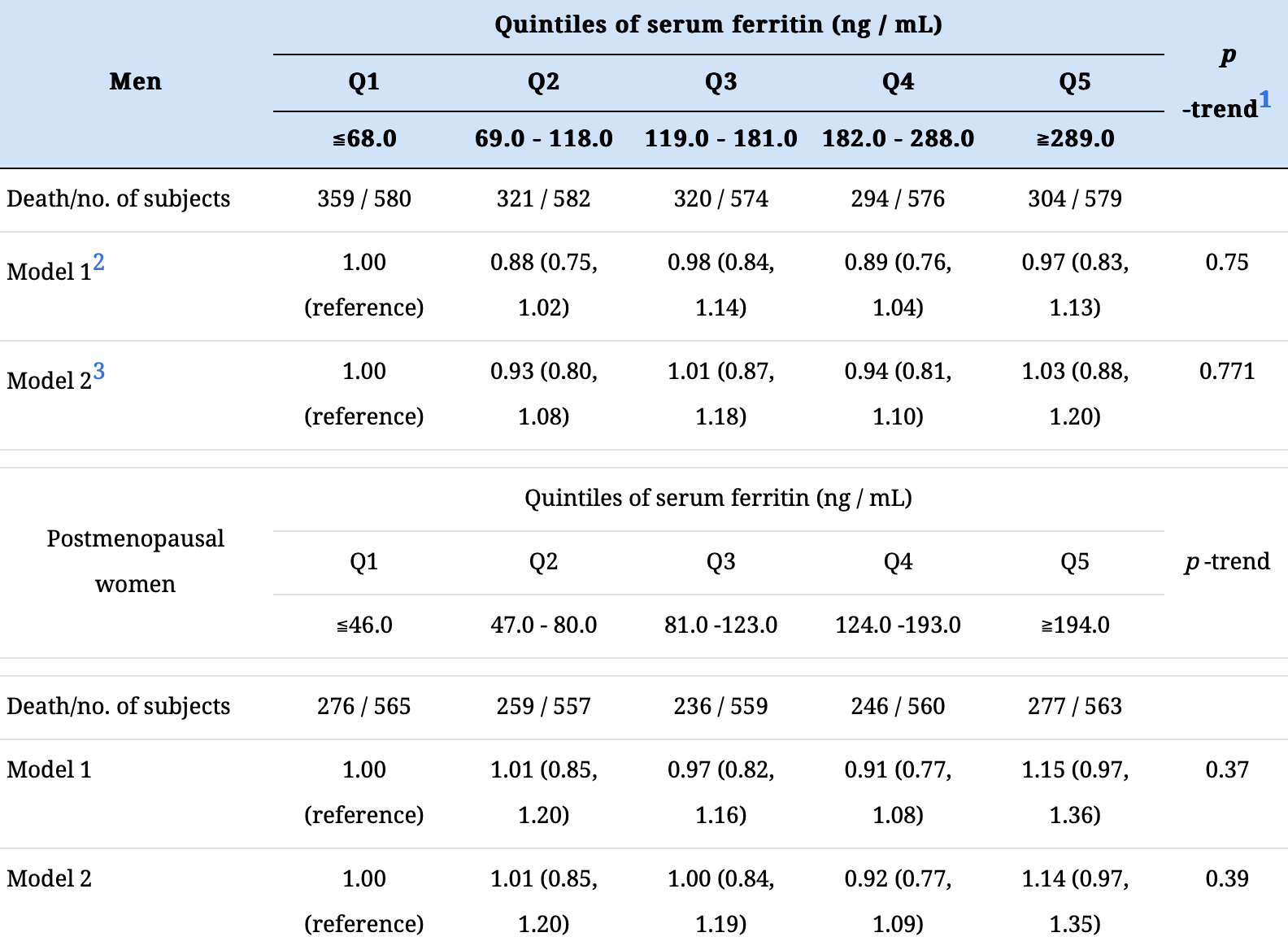
Longitudinal studies indicate that both high and low ferritin levels are linked to increased all-cause mortality. But GWAS studies suggest that lower ferritin levels are preferable, so I am inclined to keep ferritin levels relatively low, yet above the level associated with symptoms.

Low Ferritin

Common reasons for low Ferritin:

  • Dietary iron deficiency
    Iron deficiency is one of the most prevalent nutritional deficiencies according to the WHO. In both the developed and developing countries.
    77.5% of young females are considered iron deficient when using a 50-μg/L cutoff
    Adult vegetarians have significantly lower serum ferritin levels (-29.71 µg/L) than their non-vegetarian controls. (meta analysis of 27 cross-sectional studies)
  • Impaired iron absorption
    GI diseases, such as celiac disease, IBD, H. pylori, atrophic or autoimmune gastritis, Crohn's disease...
    Tea consumption with a meal inhibits iron absorption by 37%. Waiting one hour after the meal reduces this inhibition to only 18%.
    Coffee inhibits iron absorption from a supplement by 54%.
    Calcium supplementation (1200 mg/day) significantly reduces daily non-heme iron absorption from 15.8% to 4.7%.
  • Blood loss,
    Heavy menstrual bleeding, blood donations, accidents, or surgery.
  • Drugs that decrease iron absorption or cause gastrointestinal bleeding,,
    Proton Pump Inhibitors, Antacids and H2-Receptor Antagonists, Aspirin and Other Non-Steroidal Anti-Inflammatory Drugs (NSAIDs), Certain Antimicrobials like tetracycline and ciprofloxacin ...
  • Hypothyroidism,
    Serum ferritin levels appear to increase when even subclinical hypothyroidism is treated. However, a combination of levothyroxine and iron salts is more effective than using either one alone.
  • Colon cancer in older adults
    Up to 60% of patients with colon cancer have iron deficiency at diagnosis, probably due to chronic blood loss. Peter Attia says: "In fact, if a person is 50 years of age or older and they have low ferritin, they have colon cancer until proven otherwise"
  • Running - footstrike hemolysis
    Athletes such as marathoners with high training volumes would be particularly at high risk.

Possible consequences from low Ferritin:

  • Unexplained fatigue and weakness
    Both intravenous and oral iron supplementation have improved fatigue in iron-deficient, non-anemic women of childbearing age.,
    Having a serum ferritin level <50 ng/ml caused a 6.5-fold increased risk for fibromyalgia syndrome.
  • Hair loss
    In a meta-analysis of 36 observational studies, the average ferritin levels in patients with hair loss were 20.65 ng/dL lower than those in controls (childbearing age women). The meta-analysis concludes "Women with hair loss can benefit from higher ferritin levels."
    In a smaller study involving 210 patients with hair loss and 210 healthy controls, females with hair loss had an average ferritin level of 49.27 µg/L, while healthy women had an average of 77.89 µg/L. Additionally, 22.7% of males with hair loss had a serum ferritin level lower than 70 µg/L, compared to healthy males, where non of them had ferritin levels below 70 µg/L.
    In a smaller randomized controlled trial, iron supplementation improved hair density by 16% over six months, nearly double the improvement seen in the 2% Minoxidil group.
  • Restless Legs Syndrome
    Meta-analysis: For patients with RLS who are iron deficient, iron supplements can not only relieve their fundamental RLS symptoms but also lower the risk of RLS augmentation.
    Mayo clinic: All RLS patients with serum ferritin concentration of 75 mg/L or less and transferrin saturation below 45% should receive a trial of oral iron therapy.
  • Being pale or having yellow "sallow" skin
    Shortness of breath or chest pain, especially with activity
    Unexplained generalized weakness
    Rapid heartbeat
    Pounding or "whooshing" in the ears
    Headache, especially with activity
    Craving for ice or clay - "picophagia"
    Brittle nails

How to increase Ferritin:

  • Rule out serious diseases via Bidirectional endoscopy
    American Gastroenterological Association recommends the following for patients with anemia and ferritin below 45 ng/mL:

    - Adult men and postmenopausal women: Strongly recommends bidirectional endoscopy before initiating iron supplementation.
    - Premenopausal women, vegetarians and frequent blood donors: Prefers bidirectional endoscopy, but allows for non-invasive testing for H. pylori and celiac disease.
  • Iron supplementation
    Calculate your Iron Stores and personalized supplementation plan.
    Read the American Society of Hematology guideline for Management of iron deficiency
    Consider the "gentle iron" supplement. Compared with other iron supplements, supplementation with ferrous bisglycinate for 4-20 weeks resulted in higher hemoglobin concentrations and fewer reported GI adverse events.
    Adding 500 mg of vitamin C doubles the iron absorption from FeAC (15% vs 34%) and is dose dependent. Vitamin C has to be taken at the same time as the iron supplement.,
    Liquid iron might not be the best first option, as it can stain the teeth.
    Lab check ferritin at least twice a year, since high values are dangerous.
    "Slow-release" or "enteric-coated" Iron supplements are ineffective. Iron absorption primarily occurs in the duodenum, meaning there is only a limited window for efficient uptake.

High Ferritin

Common reasons for high Ferritin:

  • Acute or chronic inflammation, independent of iron levels,
    In these cases, a high ferritin level does not accurately reflect iron stores: Inflammation, infection, liver disease (particularly non-alcoholic steatohepatitis (NASH)/fatty liver), renal disease, alcohol excess, metabolic syndrome or malignancy.
    hsCRP can be used to exclude elevated ferritin caused by acute phase reactions.
    High ferritin with low transferrin saturation typically suggests inflammation rather than iron overload.
  • Excess dietary iron intake
    Transferrin saturation above 45% indicates iron overload.
  • Hyperthyroidism / Grave's disease
    All patients in the study experienced a decrease in serum ferritin levels with antithyroid drug therapy.
  • Genetic disorders like hemochromatosis and ferroportin disease
    Check your genetic report for iron panel or specifically these genes: MtF, L-ferritin, HFE, SLC11A3, FTL.

Possible consequences from high Ferritin:

  • Symptomatic hemochromatosis
    High ferritin only becomes symptomatic when levels exceed 500 µg/L. Symptoms include:
    Unexplained fatigue and weakness
    Joint pain
    Darkening of the skin / skin pigmentation
    Abdominal pain typically from the liver
    Cardiac arrhythmias
    Weight loss
    Diabetes due to iron accumulation in the pancreas
    Loss of libido and impotence

How to lower Ferritin:

  • It's important to determine the cause of elevated ferritin levels. The interventions outlined below are only for addressing iron overload:
  • Reduce dietary iron intake
    Check the labels of your supplements to ensure they do not contain iron (Fe).
    Alcohol enhances the absorption of iron
    Clams, beef liver and red meat are all high in heme iron
    Cast iron cookware significantly contributes to dietary iron intake
  • Phlebotomy (bloodletting)
    Consider blood donation. Depending on the country, you should not donate blood if your ferritin is above 400 µg/L.
    A blood donor loses about 250 mg of iron with each whole blood donation of 500 mL.
  • Chelation Therapy
    Medications that bind to iron and help remove it from the bloodstream can be used, especially in cases where phlebotomy is not possible.

Images:

Get the Full Picture of Your Iron Status

Calculates Body Iron Stores and provides a personalized intervention plan.

View Full Analysis

100% free and private. Enter only the values you have.

About the site author

My personal mission is to extend human lifespan by collectively adding 1 million years to people's lives.

That’s why I made this site 100% free, no sign-up, no email. Just instant results.

Zsolt Szabo
Zsolt Szabo
Precision Health Consultant for Longevity Clinics, Biohacker, and Software Engineer

Please send me relevant research and feedback.

Any feedback is welcome at .
I am particularly interested in research on biomarkers associated with all-cause mortality and on defining optimal reference ranges.