
Free T3 to Free T4 molar ratio (FT3/FT4 molar ratio)
A crude proxy for peripheral T4-to-T3 conversion (deiodinase activity).
Also known as:
FT3-FT4-ratio.Do not confuse with FT3/FT4 mass ratio, which results in different values.
Enter values
Value
Unit
FT3/FT4 molar ratio ranges
Healthy thyroid function was associated with FT3/FT4 molar ratio between 0.27 and 0.46 mol/mol:
0.27
0.46
Healthy thyroid function was associated with FT3/FT4 molar ratio between 0.27 and 0.39 mol/mol:
0.27
0.39
Increased all-cause mortality was associated with FT3/FT4 molar ratio below 0.44 mol/mol:
0.44
0.48
Risk Scale
Optimal range for FT3/FT4 molar ratio appears to be between 0.29 and 0.38 mol/mol:
0.1
0.27
0.29
0.38
0.42
0.6
A crude proxy for peripheral T4-to-T3 conversion (deiodinase activity).
FT3/FT4 molar ratio interpretation
What a low value may mean:
A low FT3/FT4 ratio indicates relatively low FT3 compared with FT4.
- Common in patients on T4-only monotherapy (Levothyroxine).
- With normal FT4 and TSH: poor peripheral conversion. Seen in: Insufficient Selenium or Zinc, Chronic inflammation, high cortisol/stress, or caloric restriction.
- Decreased ratio seen in unhealthy aging (often with high BMI).
- Very low ratio seen in non-thyroidal illness (acute or chronic systemic disease).
What a high value may mean:
A high FT3/FT4 ratio indicates relatively high FT3 compared with FT4.
- Common in patients taking T3-containing medication.
- With low FT4 and/or high TSH: untreated early Hashimoto’s hypothyroidism. Compensatory mechanism via upregulating D2 enzyme (enhancing peripheral T4-T3 conversion rate) and TSH receptor stimulation (increasing the T3/T4 ratio produced by the thyroid gland).
- With elevated FT4 and TSH < 0.01: untreated early Graves’ hyperthyroidism. TSH-receptor stimulating antibodies are hijacking TSH receptors and disproportionately increasing T3 production (often differentiates Graves' from thyroiditis).
- With low or "inappropriately normal" TSH: Central hypothyroidism.
- Elevated FT3/FT4 ratio is also seen in some euthyroid individuals with obesity, insulin resistance, or metabolic syndrome.
Images
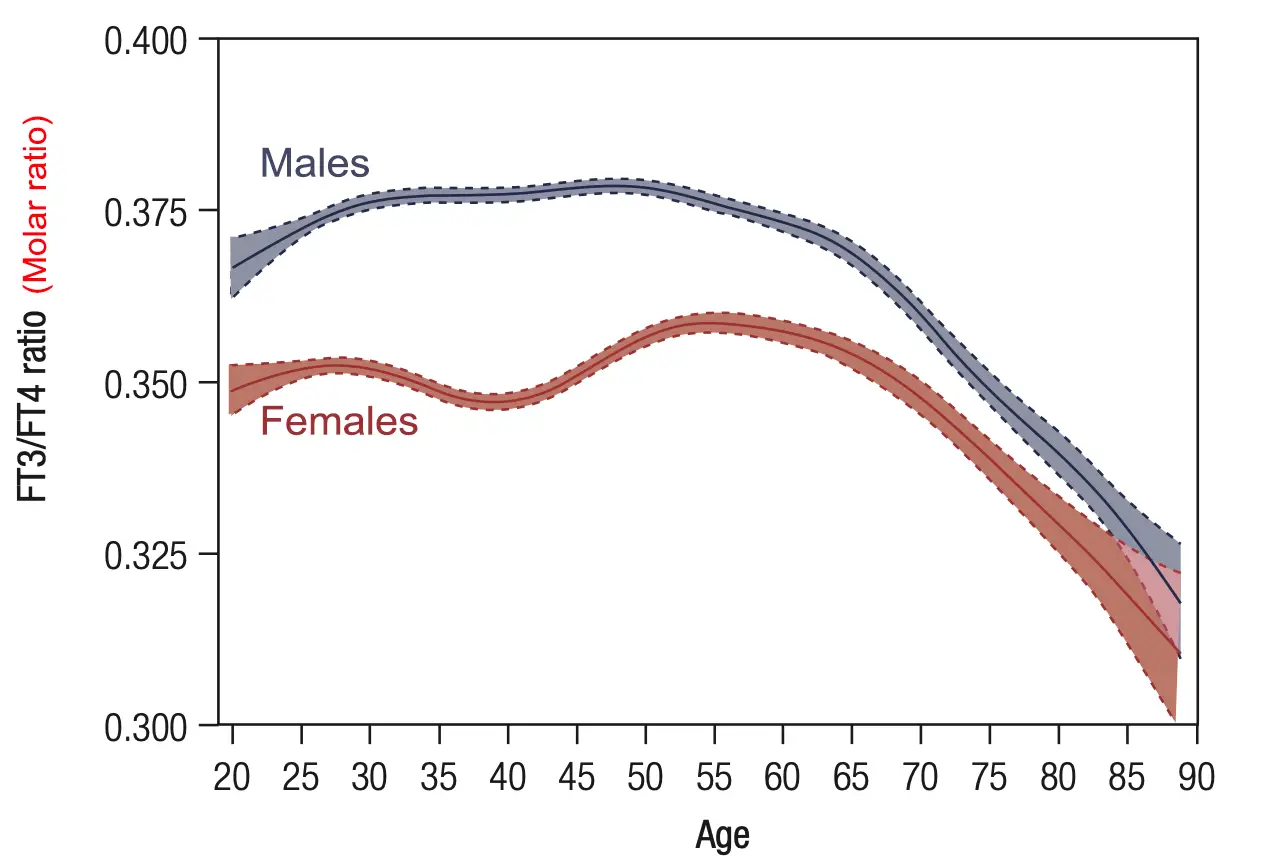
FT3/FT4 decrease during aging
Chinese euthyroid with sufficient iodine intake
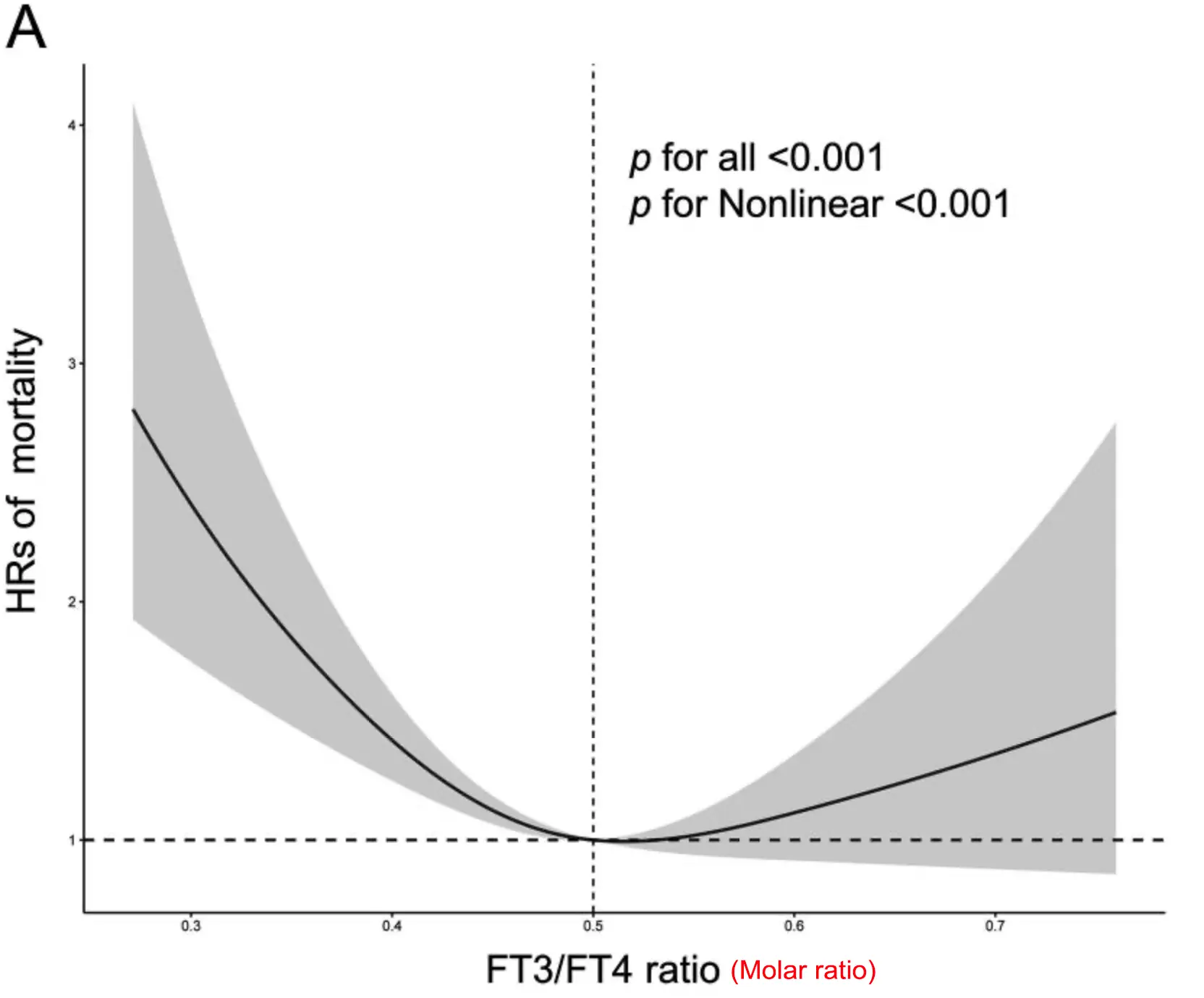
Low FT3/FT4 increase all-cause mortality risk
Euthyroid US adults
Dataset: NHANES 2007-2012
Individual Biomarkers
See how each biomarker is interpreted on its own.
Get the Full Picture of Your Thyroid Function
Comprehensive assessment of thyroid function blood tests with HPT axis visualizations designed to detect thyroid-related dysfunction early.
View Full Analysis100% free and private. Enter only the values you have.
Open in Browser for Full Features
Access interactive features, detailed explanations, and AI interpretations.
If printed on paper
Scan with Phone

If this is a PDF document
Click the link
(if the link does not work, use the QR code)
🔒 100% Private - No data leaves your computer after opening
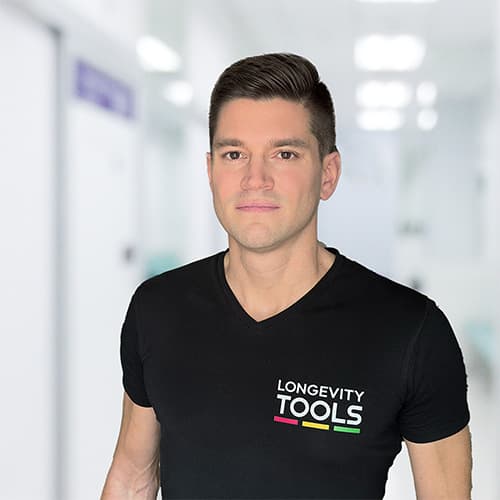
About the site author
My personal mission is to extend human lifespan by collectively adding 1 million years to people's lives.
That’s why I made this site 100% free, no sign-up, no email. Just instant results.
Zsolt SzaboPrecision Health Consultant for Longevity Clinics
How would you improve this tool ?
Any feedback is welcome at .